Cost-Effective Solutions for Storing Oil at Home and Beyond
Understanding Oil Storage Containers
Types of Oil Storage Containers
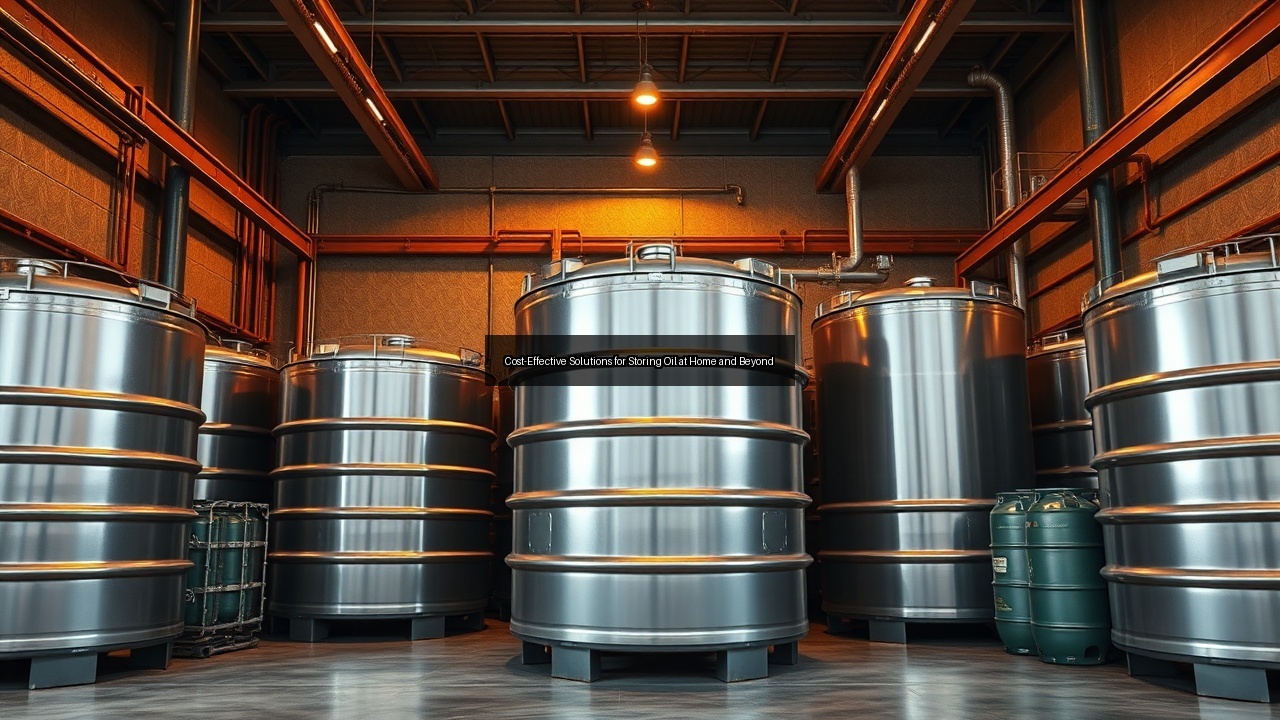
Oil storage containers come in various shapes, sizes, and materials, catering to diverse needs. The most common types include above-ground storage tanks (ASTs), underground storage tanks (USTs), and smaller containers like drums and plastic containers. Above-ground storage tanks are popular for home and commercial use. They typically hold thousands of gallons of oil, making them suitable for larger operations. oil container Underground storage tanks, while more expensive, offer excellent protection against environmental factors. Drums, usually made of steel or plastic, hold 55 gallons of oil and are ideal for smaller businesses or personal use. Plastic containers, ranging from quarts to liters, provide lightweight and portable options for home users. Each type of container has its unique advantages and is designed to meet specific storage requirements, ensuring safe and efficient oil storage.
Benefits of Proper Oil Storage
Proper oil storage safeguards your investment and the environment. It minimizes the risk of spills and leaks, which can lead to costly clean-ups and potential fines. When you utilize oil storage containers designed for safety, you reduce the likelihood of contamination. Proper storage slows down the degradation of oil, ensuring that lubricants maintain optimal performance for longer periods. Additionally, when stored correctly, oil retains its quality and effectiveness, which is crucial for machinery and vehicle maintenance. This leads to fewer breakdowns and reduced maintenance costs, ultimately saving you money over time. Furthermore, adhering to oil storage regulations not only protects your property but also fosters a responsible approach towards environmental stewardship.
Regulatory Considerations in Oil Storage
Compliance with local and federal regulations is essential when storing oil. The Environmental Protection Agency (EPA) sets forth guidelines to prevent oil spills and protect water resources. Homeowners and businesses must understand these regulations, which often dictate the construction and placement of oil storage tanks. Local authorities may require permits for above-ground tanks, ensuring they meet safety standards. Regular inspections and maintenance of storage tanks also fall under regulatory requirements. Failing to comply can lead to severe penalties, including fines or legal action. By staying informed and proactive, you can ensure your oil storage practices align with legal standards, protecting both your investment and the environment.
Cost-Effective Solutions for Home Oil Storage
Choosing the Right Oil Tank for Home Use
Selecting the right oil tank for home use involves considering several factors, including size, material, and location. Homeowners typically opt for above-ground oil storage tanks due to their ease of installation and accessibility. A tank with a capacity of 275 to 500 gallons suits most residential needs, allowing for ample storage without taking up excessive space. When choosing a material, options include steel and high-density polyethylene. Steel tanks provide durability and resistance to corrosion but may require additional maintenance. In contrast, plastic tanks are lightweight and rust-resistant, making them an attractive option for many homeowners. Location is crucial; tanks should be placed away from structures and water sources, ensuring safety and compliance with regulations. Ultimately, investing in a high-quality oil tank enhances your home’s energy efficiency and ensures a reliable supply of heating oil.
DIY Oil Storage Options
Homeowners looking for cost-effective oil storage solutions may consider DIY options. Building a custom oil storage system can be economical and tailored to specific needs. Start with a robust foundation to support the weight of the oil tank. Utilize materials like concrete or treated wood for the base. When selecting a tank, repurposing used oil containers, such as 55-gallon drums, can be an affordable choice. However, ensure these containers are clean and free from contaminants. Install a proper spill containment system to manage any potential leaks. Incorporating a gravity feed system allows for easy dispensing of oil, reducing the need for additional pumps or equipment. Always prioritize safety by securing the tank and regularly inspecting it for signs of wear or leakage. A DIY approach not only saves money but also empowers you to create a customized oil storage solution that meets your specific requirements.
Using Plastic Containers for Oil Storage
Plastic containers offer a practical solution for oil storage, particularly for small-scale needs. These containers range from quart-sized to liter-sized options, making them versatile for various applications. Their lightweight design allows for easy transportation and handling, making them ideal for personal use or smaller businesses. Ensure that the plastic containers are specifically designed for storing oil to prevent chemical reactions that could compromise the oil’s integrity. When storing oil in plastic containers, keep them in a cool, dark place to minimize exposure to sunlight and heat, which can degrade the oil over time. Label each container clearly, indicating the type of oil and the date of storage. This organization helps in managing inventory and ensures easy access when needed. Utilizing plastic containers for oil storage is not only cost-effective but also convenient and efficient for maintaining your oil supply.
Commercial Oil and Gas Storage Solutions
Overview of Industrial Oil Storage Tanks
Industrial oil storage tanks play a pivotal role in oil and gas storage. These large-scale tanks, often holding thousands of gallons, are designed for efficiency and safety. Constructed from durable materials like carbon steel, they ensure longevity and resist corrosion. Many industrial tanks come equipped with safety features, such as leak detection systems and pressure relief valves, to mitigate risks associated with large volumes of oil. Proper placement and installation are critical; tanks must comply with environmental regulations and industry standards. Regular maintenance is essential to prevent leaks and ensure the integrity of the tank. Understanding the specifics of industrial oil storage tanks enables businesses to optimize their operations while adhering to safety protocols.
Gravity Feed Systems for Efficient Oil Dispensing
Gravity feed systems provide an efficient method for dispensing oil from storage tanks. This system relies on the natural flow of gravity, eliminating the need for pumps or electrical components, which can save on operational costs. Installing gravity feed systems requires careful consideration of the tank's height and the dispensing point to ensure optimal flow. These systems work well in conjunction with larger industrial oil storage tanks, allowing for quick and easy access to lubricants. Properly designed gravity feed systems minimize waste and spillage, enhancing workplace safety. Regular maintenance checks on the system ensure it remains functional and efficient. Implementing a gravity feed system streamlines the dispensing process and contributes to a more efficient operation.
Best Practices for Storing Lubricants in Drums
Storing lubricants in drums requires adherence to best practices to maintain quality and prevent contamination. Start with clean, dry drums specifically designed for storing oil. Ensure the drums are labeled clearly, indicating the type of lubricant and the storage date. Store drums in a cool, dry area away from direct sunlight and extreme temperature fluctuations, as heat can accelerate degradation. Employ a first-in, first-out (FIFO) inventory management system to use older stock first, minimizing waste. Regularly inspect drums for signs of leakage or damage, containers for storing oil taking immediate action if issues arise. Utilizing spill containment measures, such as drip trays or secondary containment, protects against environmental contamination. Following these best practices ensures that your lubricants remain effective and safe for use, safeguarding your investment and enhancing operational efficiency.