The Advantages of Made in the USA HMC Machining Services
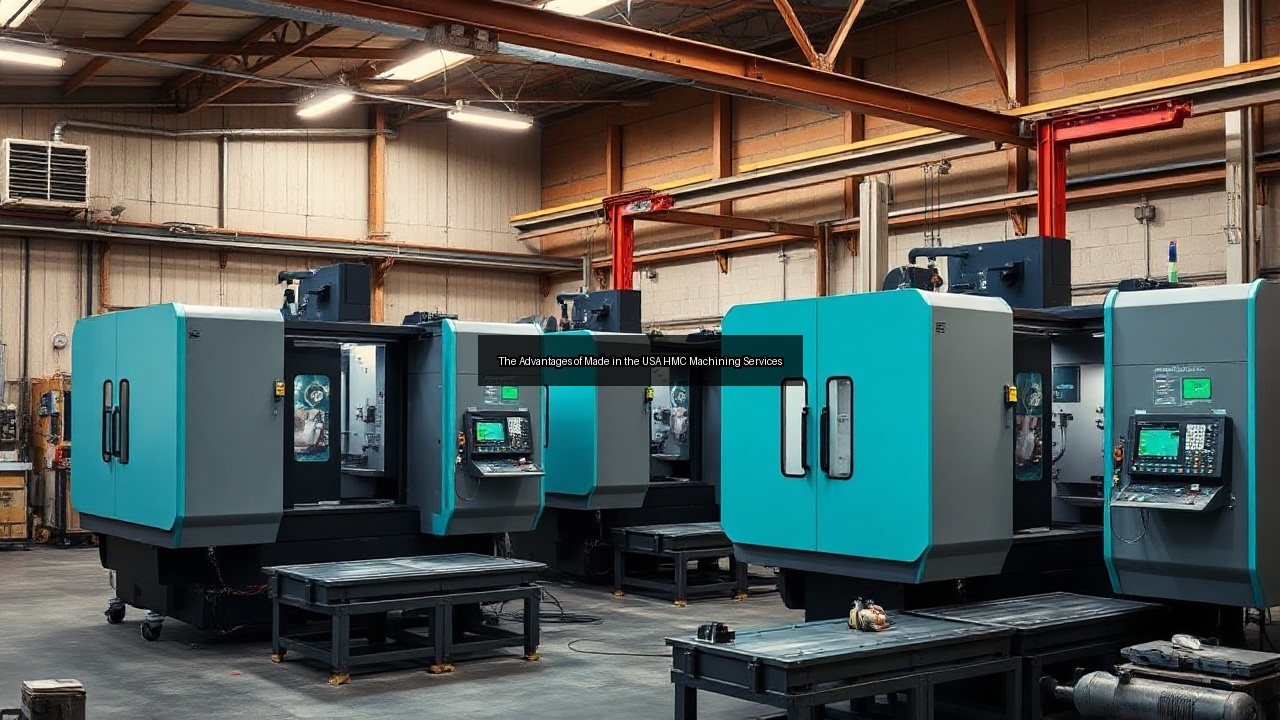
Understanding HMC Machining Services
What are HMC Machining Technologies?
HMC machining technologies, or horizontal machining centers, represent a significant advancement in the world of metalworking and manufacturing. These machining centers utilize a horizontal spindle orientation, allowing for more effective chip removal and enhanced accessibility to workpieces. HMCs are particularly well-suited for high-volume production runs and complex component manufacturing, offering versatility that other machining processes may lack. The design of HMC machining centers accommodates multiple tools, which streamlines operations and reduces cycle times. This efficiency is crucial for industries that demand precision, such as aerospace, automotive, and medical fields, where tolerances are tight, and quality standards are non-negotiable.
Key Components of HMC Machining Centers
Understanding the key components of HMC machining centers helps to appreciate their capabilities fully. Central to these machines is the horizontal spindle, which remains parallel to the ground during operation. This design is often complemented by a robust tool changer, enabling rapid switching between various tools tailored for milling, drilling, or tapping. Additionally, HMCs feature a large work envelope, allowing the accommodation of substantial workpieces, which is essential for industries requiring intricate machining of large components. The integration of advanced CNC technology enhances control over the machining process, enabling precise movements and programming that result in consistent product quality and reduced errors. Furthermore, the use of coolant systems aids in maintaining optimal operating conditions, extending tool life and improving overall productivity.
The Role of CNC Technology in HMC Machining
CNC technology plays a pivotal role in HMC machining, transforming traditional manufacturing processes into automated, efficient operations. The use of CNC machining centers allows for the programming of complex parts and sequences, significantly reducing the time and labor required for setup and operation. Operators can input detailed specifications and parameters directly into the CNC system, ensuring every cut aligns with design requirements. This level of precision eliminates much of the human error associated with manual machining, enhancing product reliability. Additionally, CNC milling machines employed in HMC setups facilitate high-speed machining, which boosts productivity while maintaining tight tolerances. This synergy between HMCs and CNC technology represents the future of manufacturing, where accuracy and efficiency are paramount.
Advantages of Choosing Made in the USA HMC Machining Services
Quality Assurance and Precision in Manufacturing
Choosing made in the USA HMC machining services brings a level of quality assurance that many manufacturers worldwide aspire to achieve. American machining centers adhere to rigorous industry standards and regulations, ensuring every part produced meets or exceeds customer expectations. The combination of advanced technologies and skilled labor guarantees a high level of precision in manufacturing processes. American machine shops prioritize quality control at each stage of production, utilizing sophisticated metrology techniques to verify dimensions and tolerances. This commitment to excellence translates into durable, reliable components that perform effectively in their intended applications. Industries relying on precision machining, such as aerospace and medical device manufacturing, benefit significantly from the superior quality associated with made in the USA machining services.
Faster Turnaround Times in Local Production
Faster turnaround times represent a compelling advantage of opting for made in the USA HMC machining services. Local production minimizes shipping times and logistics hurdles, allowing companies to receive their parts more quickly. When working with a domestic machine shop, clients can expect quicker responses to inquiries, faster prototyping, and expedited production schedules. Additionally, reduced shipping distances lead to lower transportation costs, which can enhance the overall profitability of projects. In industries where time-to-market is critical, such as consumer electronics and automotive manufacturing, the ability to rapidly produce and deliver components makes a substantial difference. Localized HMC machining services empower businesses to remain agile and responsive to changing market demands.
Support for Local Economies and Job Creation
Choosing made in the USA HMC machining services supports local economies and contributes to job creation. Manufacturing remains a cornerstone of the American economy, and investing in local machining services fosters community growth and development. By working with domestic suppliers, companies help sustain jobs in machine shops, engineering firms, and related sectors. This localized approach not only bolsters employment opportunities but also promotes skill development and workforce training in advanced manufacturing technologies. As industries continue to evolve, the demand for skilled machinists and engineers will only increase. Supporting made in the USA HMC machining services ensures the preservation and growth of these essential roles within the community.
Applications and Capabilities of HMC Machining
Industries Benefiting from HMC Machining Services
Numerous industries benefit from the capabilities offered by HMC machining services. Aerospace, automotive, and medical device manufacturing are among the sectors that rely heavily on precision machining to produce complex components. In the aerospace industry, HMCs manufacture critical parts such as aircraft frames and engine components, where precision and reliability are paramount. The automotive sector uses HMC machining services to create intricate engine parts, transmission systems, and chassis components, all requiring high levels of accuracy and efficiency. Similarly, the medical field demands precision components for devices like surgical instruments and implants, further emphasizing the importance of HMC machining in modern manufacturing. By providing the necessary precision and speed, HMC machining services play a vital role in the success of these industries.
Machining Applications in Power Generation
Power generation represents a significant application area for HMC machining services. Components in power plants, such as turbines, generators, and valves, require high precision to ensure efficiency and safety. HMCs excel in creating these components due to their ability to handle complex geometries and maintain tight tolerances. The energy sector often requires large-scale parts that must endure extreme conditions, making the durability and precision of HMC machining essential. Whether it’s fabricating components for renewable energy sources like wind or solar or conventional energy systems, HMC machining ensures that power generation equipment operates reliably and efficiently. The continuous demand for energy infrastructure drives the need for advanced machining capabilities, solidifying the role of HMCs in this critical industry.
Precision Machining for Gears and Other Components
Precision machining for gears and other components showcases the versatility of HMC machining services. Gears serve as critical components in various machinery, including automotive transmissions, industrial equipment, and robotics. The precision required in gear manufacturing demands advanced machining techniques to produce components that mesh seamlessly and operate smoothly. HMC machining allows for the manufacturing of complex gear profiles and geometries, ensuring optimal performance in their respective applications. Beyond gears, HMCs can produce an array of components, such as housings, brackets, and custom parts tailored to specific engineering requirements. The flexibility of HMC machining centers enables manufacturers to cater to diverse needs across multiple industries, demonstrating their extensive capabilities in precision machining.
Future Trends in HMC Machining Services
Innovations in CNC Milling and Machine Tools
The future of HMC machining services lies in the continued innovations in CNC milling and machine tools. As technology advances, manufacturers can expect to see enhanced capabilities in speed, accuracy, and automation. Emerging CNC technologies, such as adaptive machining and real-time monitoring, improve operational efficiency and reduce downtime. These innovations allow machine shops to optimize their processes and respond swiftly to production demands. Additionally, advancements in tooling materials and designs will enhance tool longevity and performance, further driving productivity. The integration of artificial intelligence and machine learning into CNC systems will revolutionize how machining centers operate, leading to smarter, more efficient manufacturing processes and higher-quality outputs.
The Impact of Metrology on HMC Machining
Metrology, the science of measurement, will significantly impact HMC machining services moving forward. Accurate measurements ensure that machined parts meet stringent quality standards, which is essential for industries requiring high precision. Innovations in metrology tools, such as laser scanning and 3D measurement systems, will enhance inspection capabilities, providing real-time feedback during the machining process. This integration allows for immediate corrections and adjustments, reducing waste and improving overall quality. As the demand for precision increases, so will the importance of metrology in streamlining quality assurance processes. By leveraging advanced metrology techniques, manufacturers can enhance their reputation for quality and reliability, positioning themselves competitively in the global market.
Emerging Technologies in Metalworking and Fabrication
Emerging technologies in metalworking and fabrication will shape the landscape of HMC machining services in the coming years. Additive manufacturing, or 3D printing, is one of the most significant developments, allowing for the creation of complex geometries that traditional machining cannot achieve. The combination of HMC machining and additive manufacturing enables hybrid processes, where parts can be built up layer by layer and then precisely machined for a perfect finish. Furthermore, technologies like IoT (Internet of Things) will facilitate smarter machine shops, enabling real-time monitoring of equipment and production processes. As these technologies continue to evolve, they will drive innovation in HMC machining, enhancing efficiency and cnc machining expanding capabilities across various sectors.
See Also
- The Role of HMC Machining in the Power Generation Industry
- Maximizing Efficiency in Your Machine Shop with HMC Machining Technologies
- The Intersection of HMC Machining and EDM for Superior Results
- Innovative Applications of HMC Machining in High-Volume Production
- Maximizing Productivity in Your Machine Shop with HMC Machining