The Science Behind Ceramic Backing Materials for Welders
Understanding Ceramic Backing Materials in Welding
What Are Ceramic Backing Materials?
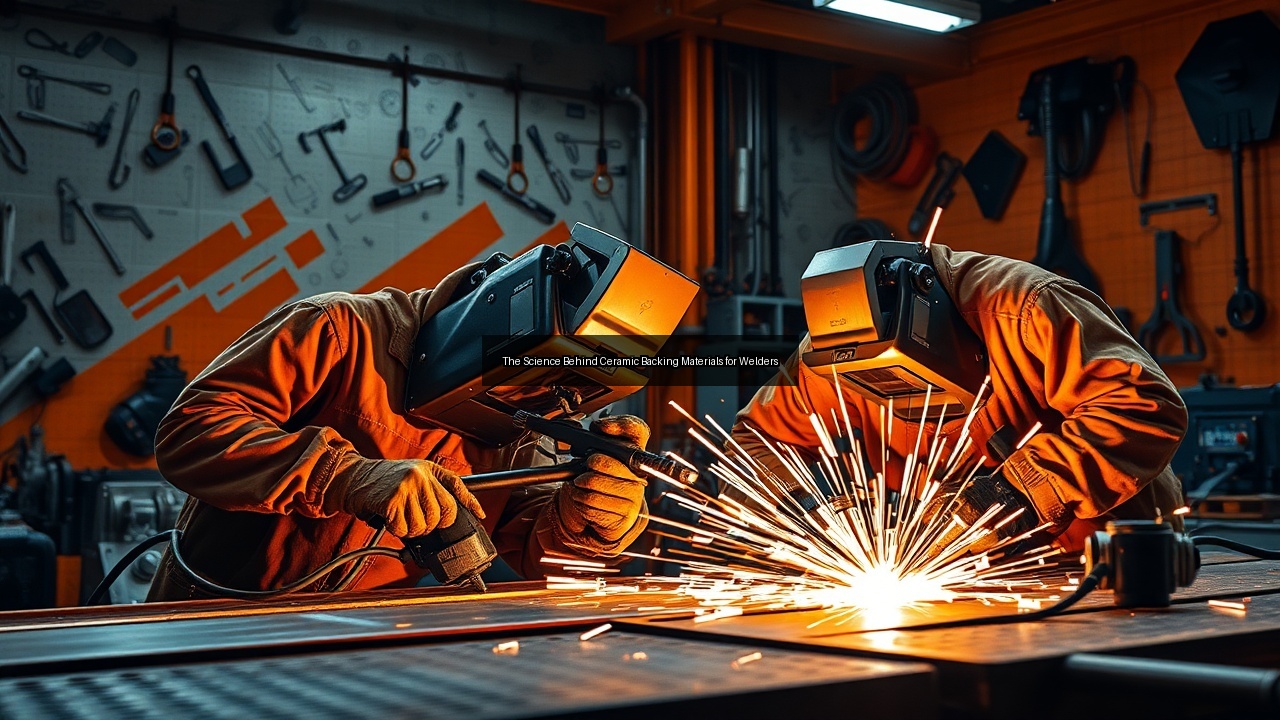
Ceramic backing materials serve as essential supports during welding operations. Welders place these rigid strips or tapes behind joints to contain molten metal and shape the root bead without excessive grinding or back gouging. The backing creates a stable platform that prevents burn-through while allowing full penetration on materials like aluminium and steel. Professionals often select ceramic backing for welding projects that demand clean, consistent results on pipes, plates, and structural components. Related searches for backing materials highlight how these products reduce defects such as porosity or incomplete fusion. In practice, the ceramic remains in place until the weld cools, then operators remove it easily without damaging the finished joint.
Types of Ceramic Materials Used in Welding
Several ceramic compositions appear in modern welding applications. Alumina-based ceramics deliver high heat resistance and mechanical strength, while zirconia variants offer superior thermal shock protection during intense torch passes. Some formulations incorporate silica for improved flexibility and adhesion to curved surfaces. Manufacturers tailor these ceramics to specific processes, including those involving 102mm thick sections where sustained temperature control matters. Welders also encounter hybrid ceramic backings that combine refractory grains with binders for easier handling. Each type addresses different metal thicknesses and joint geometries, ensuring compatibility across carbon steel, stainless, and aluminium workpieces.
Benefits of Using Ceramic Backing for Welds
Ceramic backing for welds delivers measurable advantages in productivity and quality. It eliminates the need for a second welder on the opposite side of the joint, cutting labor costs and setup time. The material promotes uniform bead profiles and reduces post-weld cleanup, which speeds overall fabrication cycles. Welders report fewer repairs because the backing prevents slag inclusions and supports consistent penetration. In marine and industrial environments, these benefits translate to stronger, longer-lasting structures that resist fatigue. Operators also value how ceramic backing materials maintain integrity under high-amperage conditions without contaminating the weld pool.
The Role of Ceramic Backing in Different Welding Techniques
Ceramic Backing in TIG Welding
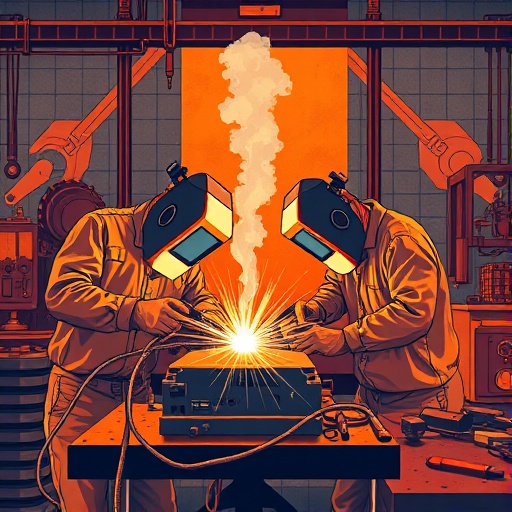
TIG welding relies on precise control of the arc and filler metal, making ceramic backing a natural fit for root passes. The backing stabilizes the weld pool when welders work on thin or open-root joints in stainless or aluminium. It allows slower travel speeds without risking melt-through, which improves fusion at the edges. Many fabricators pair ceramic backing with argon shielding gas to produce bright, oxidation-free roots. Geometry considerations become simpler because the ceramic provides a predictable contour that matches the desired weld profile. TIG operators frequently choose narrow ceramic strips for pipe welding where access remains limited.
Ceramic Backing for MIG and GMAW Applications
MIG and GMAW processes benefit equally from ceramic backing because these methods deposit metal at higher rates. The backing supports the larger weld pools created by continuous wire feeding, preventing excessive drop-through on flat or horizontal joints. Welders achieve better sidewall fusion when the ceramic maintains a consistent gap behind the joint. GMAW setups often use wider ceramic tapes to accommodate spray transfer modes without compromising bead shape. Companies like Gullco International supply compatible systems that integrate ceramic backing with automated carriages for long seams. This combination reduces distortion on large metal plates while maintaining deposition efficiency.
Combining Ceramic Backing with Plasma Cutting
Plasma cutting and welding frequently occur on the same workpiece, so ceramic backing integrates smoothly into these workflows. After plasma cutting creates precise edges, welders apply ceramic backing to support subsequent joints without additional preparation. The thermal resistance of the ceramic withstands residual heat from the plasma torch, preserving alignment during fit-up. In automated lines, operators position ceramic backings before plasma operations to streamline material handling. This mashup of processes improves accuracy on thick sections and minimizes warping in aluminium or carbon steel assemblies. Marine fabricators rely on this approach to maintain tight tolerances on hull repairs and structural modules.
Performance Characteristics of Ceramic Backing
Thermal Resistance and Durability
Ceramic backing materials endure extreme temperatures generated by welding arcs without cracking or eroding. High-purity formulations resist thermal cycling that would destroy lower-grade refractories, allowing multiple passes on a single joint. Durability extends to mechanical abuse during handling and positioning, so welders reuse strips across several projects before replacement. Performance remains stable even when ambient conditions fluctuate in outdoor or shipyard settings. These properties directly support consistent weld quality on demanding applications that involve repeated heating cycles.
Adhesive Properties of Ceramic Materials
Many ceramic backing products feature adhesive backing that secures them firmly to the workpiece. The adhesive activates under light pressure and holds position during torch movement without leaving residue after removal. Strong adhesion prevents gaps that could allow molten metal to escape, preserving the intended weld geometry. Manufacturers formulate these adhesives to withstand preheat temperatures common in heavy fabrication. Welders appreciate the time savings because tape or strip application replaces clamps or fixtures in many cases. Proper adhesive selection also ensures compatibility with different metal surfaces and joint orientations.
Geometry Considerations for Optimal Welding with Ceramic Backing
Joint geometry dictates the choice of ceramic backing shape and thickness. Flat strips suit butt joints on plate, while contoured versions accommodate pipe diameters or angled transitions. Precise geometry matching reduces the risk of undercut or lack of fusion at the root. Welders adjust backing width to match groove angles created by the cutting or grinding process. In automated setups, consistent ceramic profiles help maintain torch height and travel speed across long seams. Attention to these details produces welds that meet strict code requirements without extensive rework.
Innovations and Technologies in Ceramic Backing for Welders
Automation in Welding with Ceramic Backing
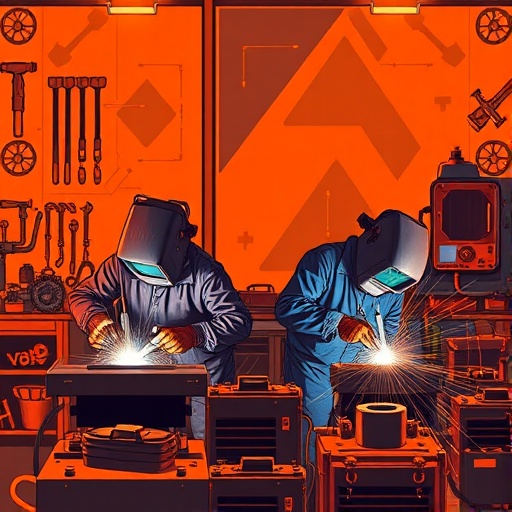
Automation systems now incorporate ceramic backing to achieve repeatable high-quality results. Robotic arms and carriage systems from Gullco position the backing and torch simultaneously, eliminating manual alignment errors. Sensors monitor arc voltage and adjust parameters in real time while the ceramic maintains stable support. This integration increases throughput on repetitive welds in fabrication shops. Automation also reduces welder fatigue during extended shifts on large structures. The technology pairs well with laser seam tracking for even greater precision on complex geometries.
Advancements by Companies like Gullco International and Voestalpine
Gullco International and Voestalpine continue to refine ceramic backing solutions for modern welders. Gullco’s KATBACK systems combine ceramic materials with mechanized travel carriages that deliver uniform speed and pressure. Voestalpine develops advanced ceramic formulations that enhance compatibility with high-strength steels and aluminium alloys. These companies invest in product testing that simulates marine and industrial conditions to verify performance. Their innovations include improved adhesive layers and custom geometries that fit emerging joint designs. Welders gain access to tools that shorten cycle times while elevating overall weld integrity.
The Future of Ceramic Materials in Marine and Industrial Applications
Ceramic backing materials will expand further into marine and heavy industrial sectors as fabrication demands grow. New compositions target higher temperatures and corrosive environments encountered on offshore platforms and ship hulls. Integration with laser and plasma systems promises faster joint completion without sacrificing quality. Researchers explore recyclable ceramics that reduce waste after projects finish. These developments position ceramic backing as a core element in sustainable welding practices. Continued collaboration between material scientists and equipment makers will deliver solutions tailored to next-generation alloys and automated processes.
Safety and Protective Gear for Welders
Importance of Welding Helmets with Ceramic Backing
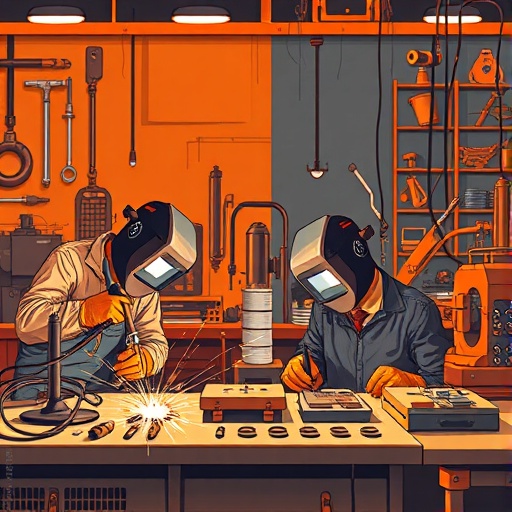
Welding helmets equipped with advanced filters protect operators during tasks that involve ceramic backing. The helmet shields eyes and face from intense arc light and spatter while welders focus on root pass control. Proper helmet selection complements the use of ceramic materials by allowing clear visibility of the joint without excessive repositioning. Many modern helmets include auto-darkening lenses that respond instantly to arc initiation, reducing eye strain over long shifts. This protection becomes critical when working near reflective aluminium surfaces or in confined marine spaces.
Protective Gear Recommendations for Welders
Welders should combine ceramic backing use with comprehensive protective gear. Flame-resistant clothing, leather gloves, and steel-toe boots guard against heat and falling metal. Respirators filter fumes generated during high-amperage passes on coated materials. Ear protection helps in noisy shop environments where automation equipment operates. Regular inspection of all gear ensures continued effectiveness throughout the project. Proper selection matches the specific hazards of each welding process and material combination.
Maintaining Safety Standards in Welding Operations
Strict adherence to safety standards safeguards welders who rely on ceramic backing and related equipment. Regular training covers proper handling of ceramic materials, torch setup, and emergency procedures. Work areas require adequate ventilation and fire suppression systems to manage sparks and gases. Supervisors enforce guidelines from organizations that govern welding practices across industrial and marine sites. Consistent documentation of safety checks supports compliance and identifies improvement opportunities. These measures create environments where productivity and protection advance together.